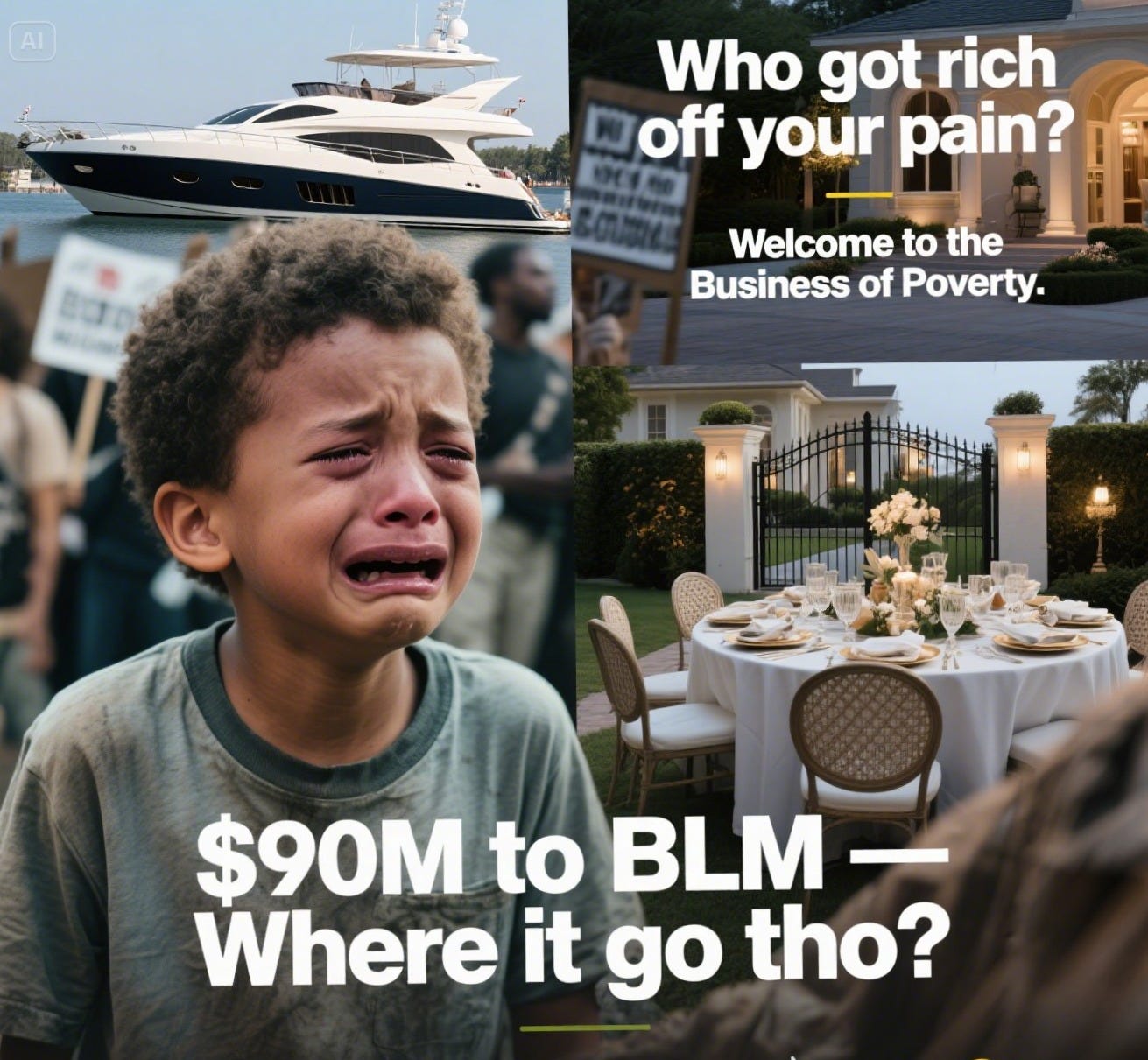
EXPOSED: The Industry of Poverty Porn & The Puppeteers Profiting Off Our Pain
Exposing the Real MVPs: The Poverty Pimps of the System
Yo, what’s good, fam? Let’s break this down real quick. Ever heard of “poverty pimps”? These are the big-time hustlers playing us like a fiddle, keeping pockets fat while acting like they’re saving the world. We talkin’ 'bout some slick operators in the US Government, NGOs, politicians, and those fancy CEOs. Let’s roll up our sleeves and dive in.
The Government Game
First up, the suits in D.C.—you know the government cats who talk big about helping out, but what they really love is that reelection clout. Catch my drift? Plenty of those bills they pass end up lining their cronies' pockets more than lifting anyone out of poverty. Don’t get it twisted; not everyone’s shady. But there are cats milking the system harder than a toddler at nap time. Be woke, folks!
NGOs and Those Fancy Acronyms
Then we got these NGOs, the supposed heart-of-gold joints. But hold up, some are just here for the funds, cutting up “aid” in ways that stack their boards’ bank accounts. They put on a shiny show about helping out, but we gotta ask, who really gets the dough? Often, it ain't the folks who need it most. Think it’s all charity? Think again, family.
Politicians Playing the Field
Next, we slide into the political playground. These sweet-talkin' politicians keep promising change, but half the time they’re just changing their zip codes to something posh. They come through your ‘hood charm-offensive style, talking ‘bout better schools and roads, but four years later, it's still the same show. Keep your eyes peeled and your ears to the street.
CEOs and Their Empire Dreams
And don’t get me started on these big CEOs, acting like they dropped from the heavens to sprinkle cash. Many are the smooth talkers, but check their books next time—real talk. They pocket big bonuses and PR glory while laying folks off with a grin. Ain’t nothing cool about living large when your people are struggling.
The Industry of Poverty Porn: The Hidden Puppeteers Feeding Off Suffering
Yo, what’s good, fam? Today, we’re diving deep into the dark, dirty underworld of the “poverty porn” industry — a multi-billion dollar hustle built on the backs of our people’s suffering. This isn’t just about raising awareness; this is about exploitation, greed, and manipulation on an epic scale.
From fake charity websites to emotionally charged YouTube channels, from ecosystem-shuffling NGOs to activists who profit from misery — the game’s rigged, and the only winners are those profiting off our pain.
What Is Poverty Porn?
It’s media that sensationalizes and dramatizes poverty — videos, photos, podcasts, blogs — all crafted to evoke your emotional response, get you to donate, and keep you glued to their clickbait. But behind the scenes, poverty porn is outright exploitation. It reduces real human suffering into a dollar sign for content creators and “NGOs” who only care about padding their pockets.
The goal? Maximize profit, minimize real change.
The Big Players in the Poverty Hustle
Websites & YouTube Channels
Notable YouTubers Known for Content Around Poverty or Social Issues
MrBeast (Jimmy Donaldson)
Known for large-scale philanthropic videos, donations, and charity campaigns aiming to help communities.
While his content is often praised for charitable efforts, some critique the spectacle aspect.
YesTheory
Focuses on inspiring stories and challenges meant to promote positivity and understanding, sometimes touching on social issues.
The Give & Take Project / Hope for Peshawar (AlJazeera, BBC, or similar channels)
Not individual vloggers but documentary channels often producing content related to poverty.
“Help the Homeless” & “Voices of Poverty” — These channels are notorious for viral sob stories, staged encounters, and exaggerated suffering—all to milk your emotions and ad revenue. They make millions but rarely push real solutions.
“Homeless Chronicles,” “Street Stories,” & similar platforms — Thrive on emotionally intense content that can sometimes be staged or exaggerated. They get millions of views, but real progress? Still nowhere.
Podcasts like “The Struggle Is Real” or “Poverty Perspectives” — These are platforms many claim are “authentic,” but investigations suggest they often serve as outlets for charities and brands to manipulate your feelings and boost donations, not create systemic change.
Influencers & Vloggers
Fake panhandling videos, staged breakdowns, tear-jerker narratives — many influencers profit from suffering. They fake tears, stage encounters, or exaggerate hardship just to build followers and sponsorship deals. Some are earning major $ while folks in the real world stay suffering.
The NGO & Charitable Industry: Dirty Money, Dirty Deeds
Let’s talk about these so-called “not-for-profit” giants, the ones claiming to help but allegedly hiding skeletons in their closets. Thanks to watchdog organizations and investigative reporters, we know some have been allegedly caught in scandals and mismanagement.
Water.org & CARE — These NGOs have been scrutinized for allegedly mismanaging billions in funds and diverting aid away from the communities they claim to serve.
Save the Children & Oxfam — Yet again, scandals involving leadership misconduct, diversion of resources, and misallocation of funds.
World Vision, Feed the Children & Others — Under investigations for funneling millions into high-paying CEO salaries, or worse, outright diverting aid to connected interests.
And trust: many of these charities are good at spinning their narratives, but the receipts and audits tell a different story.
Examples of Controversial Content or Critiques
"Poverty Porn" Documentaries and Campaigns
Some short-term or viral campaigns have been criticized for sensationalizing poverty to garner emotional reactions and donations. For example, certain fundraising videos or humanitarian campaigns have faced backlash when viewers perceive that they perpetuate stereotypes or manipulate emotions rather than providing empowering narratives.
YouTube Content Facing Criticism
Some vloggers or influencers who focus on poverty-related topics have been criticized for:
Exploiting the suffering of individuals for views.
Using overly dramatic or emotionally charged imagery without context.
Not providing solutions or empowering narratives.
Notable Discussions & Resources
The Ethics of “Poverty Porn” and Humanitarian Content
Articles and think pieces explore the ethical concerns about media that sensationalizes suffering, emphasizing the importance of respectful storytelling.Case Studies & Critiques:
Many media watchdogs and social commentators have critiqued certain campaigns or videos, especially those that use images of hardship without permission or context, which can be dehumanizing.
Recommendations
When consuming or creating content about poverty, consider:
Does it empower or exploit?
Is the dignity of the subjects preserved?
Does it include solutions or positive change?
Notable Channels Known for Controversies or Criticism Related to Exploitation:
White Soft Underbelly (Ben "Cody" Brown)
Focuses on interviews with marginalized individuals, but critics argue it sometimes sensationalizes personal stories.
Boycie (British YouTuber)
Known for visiting countries including the Philippines and sharing social issues; some critics suggest some content may be ethically questionable.
Mark Wiens / Migration-related Content
While primarily food-focused, some creators attract criticism for the way they portray local communities.
Channels and Content Types Criticized for Exploitation or Sensationalism:White Soft Underbelly-https://www.youtube.com/@SoftWhiteUnderbelly
Focuses on marginalized individuals and controversial stories, often with raw and emotional interviews.
Criticism: Some argue it sensationalizes people's hardships without enough context or consent.
Dumped in the Philippines / Philippines Exposed — (Channels that are highly controversial)
Some channels produce content by going to the Philippines, highlighting poverty or social issues, sometimes with a focus on shock value.
Critics say they perpetuate stereotypes, sensationalize plight, and may not always act ethically.
Global Travel / Vlogging Channels — (Some unnamed creators)
Certain vloggers travel to the Philippines or Southeast Asia showcasing extreme poverty or social issues.
Criticism revolves around sensationalism and exploiting local situations for entertainment.
Key Issues and Patterns:
Use of clickbait titles and sensational content to attract views.
Possible exploitation of the subjects’ vulnerabilities without proper consent or benefit.
Use of fake or misleading fundraising or charity efforts, sometimes with suspicious campaigns linked to or associated with content creators.
Note:
Many creators, whether intentionally or unintentionally, contribute to the "poverty porn" narrative. Critics argue that such content can reinforce negative stereotypes and sometimes involve unethical practices like misrepresenting situations or not giving proper agency or voice to local communities.
Recommended Approach:
When engaging with or creating content about vulnerable communities, prioritize transparency, consent, and empowerment.
Support channels and creators who promote ethical storytelling, community empowerment, and positive messages.
Data & Numbers — Thanks to Elon Musk & Other Insiders
In 2022 alone, global aid and NGO spending exceeded $50 billion. Yet, despite all that money, communities in need remain just as stuck.
The U.S. government allocated over $100 billion annually to anti-poverty programs, but most of that? Allegedly lost or diverted into political pockets, high salaries, or wasteful projects.
Shockingly, 70% of charitable funds go into admin costs, marketing, or “overhead,” with only a fraction actually reaching the people in need